Modify an existing product
"I like SKU X, but need different dimensions or finish."
From a design brief to an approved sample — the same development process applies whether you're developing ceramics, marble, or both.
Development starts with feasibility, not promises — send the requirement, and we review whether and how it can be produced before development begins.
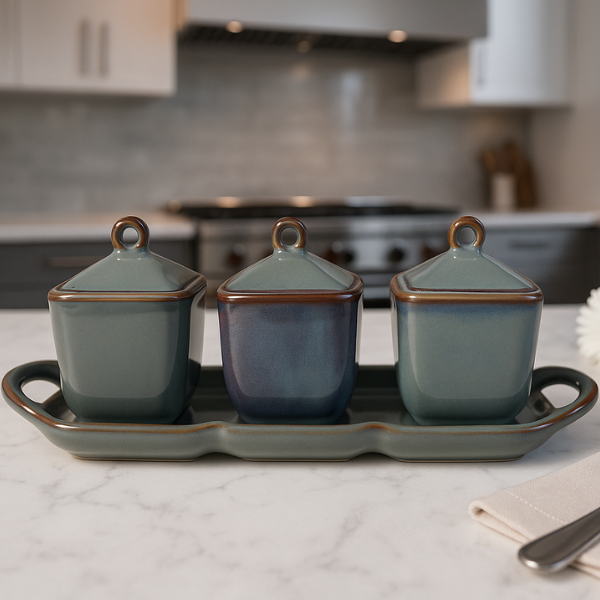
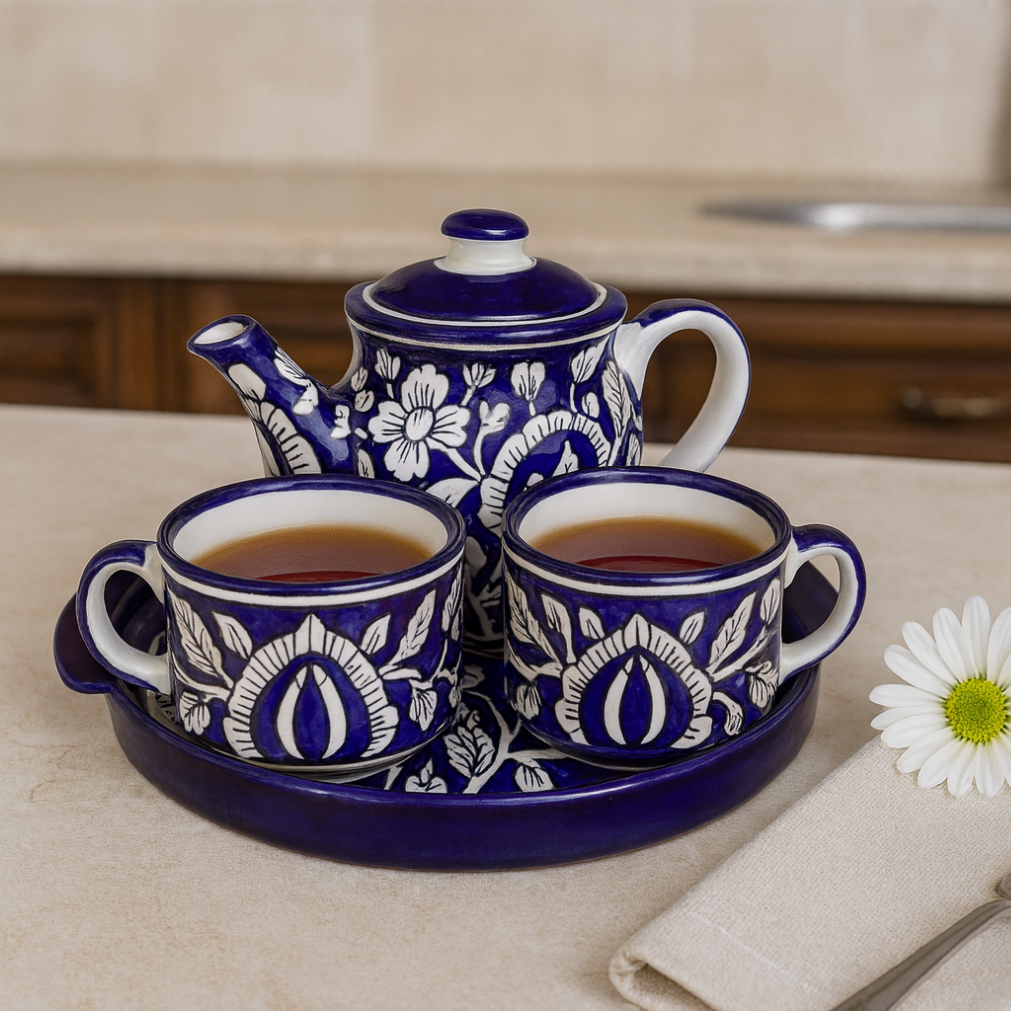
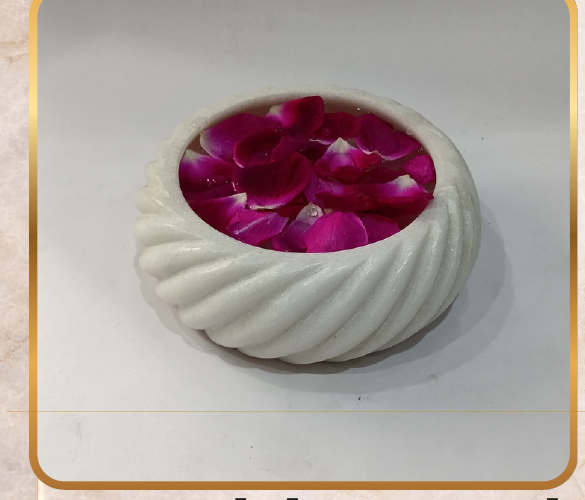
Custom development at a glance
Choose the right starting point
Private label
Custom product development
You're already on the right page.
Requirement already in the catalogue? Use Sourcing or Private Label instead. Buyer-specific requirement not yet in the catalogue? That's what this page covers.
Not every project starts with a technical drawing
"I like SKU X, but need different dimensions or finish."
"I have a photo, sample or reference product."
"I have dimensions, drawings or a complete design brief."
Our strongest differentiator
Kunhar doesn't say "send any design, we'll manufacture it." The requirement is reviewed with the relevant production partner before development begins, so you know what's genuinely achievable. Depending on the product, review can consider:
From brief to shipment
Buyer sends drawing, photo, dimensions, material/finish direction and quantity.
Kunhar and the relevant production partner review what's practical.
Confirm the proposed specification, development requirements, commercial terms and applicable tooling.
Develop the sample or prototype.
Reviewed against the agreed brief, with revisions where required.
Bulk production against the approved specification and reference.
Planned around the finished product's dimensions, weight and fragility.
Shipment and documentation coordinated.
Sample, revision, approval
An initial sample is rarely the final word. Buyer review, feedback and revision where required are a normal part of custom development — revision requirements, cost and timing depend on the project and are confirmed as part of your quotation. Bulk production only proceeds once you've approved the sample and specification.
Go deeper on ceramics or marble
| Custom Ceramics | Custom Marble / Stone | |
|---|---|---|
| Shape | Requirement / feasibility based | Requirement / feasibility based |
| Dimensions | Important | Important |
| Capacity | Important for applicable products | Usually not applicable |
| Colour / finish | Glaze-specific | Natural material / finish instead |
| Natural variation | Production and glaze variation relevant | Stone variation especially relevant |
| Weight | Product-dependent | Major consideration |
| Tooling | Product-dependent | Product-dependent |
| Packaging | Fragility-led | Weight and fragility-led |
What this looks like in practice
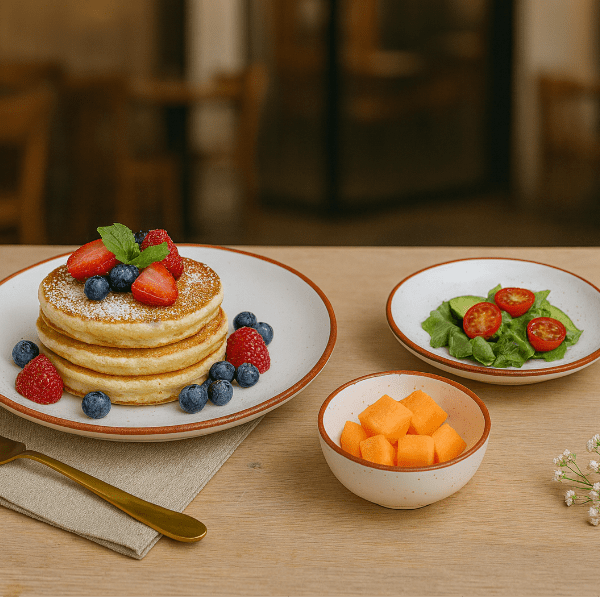
Buyer wants different dimensions, a coordinated glaze direction or a changed set composition.
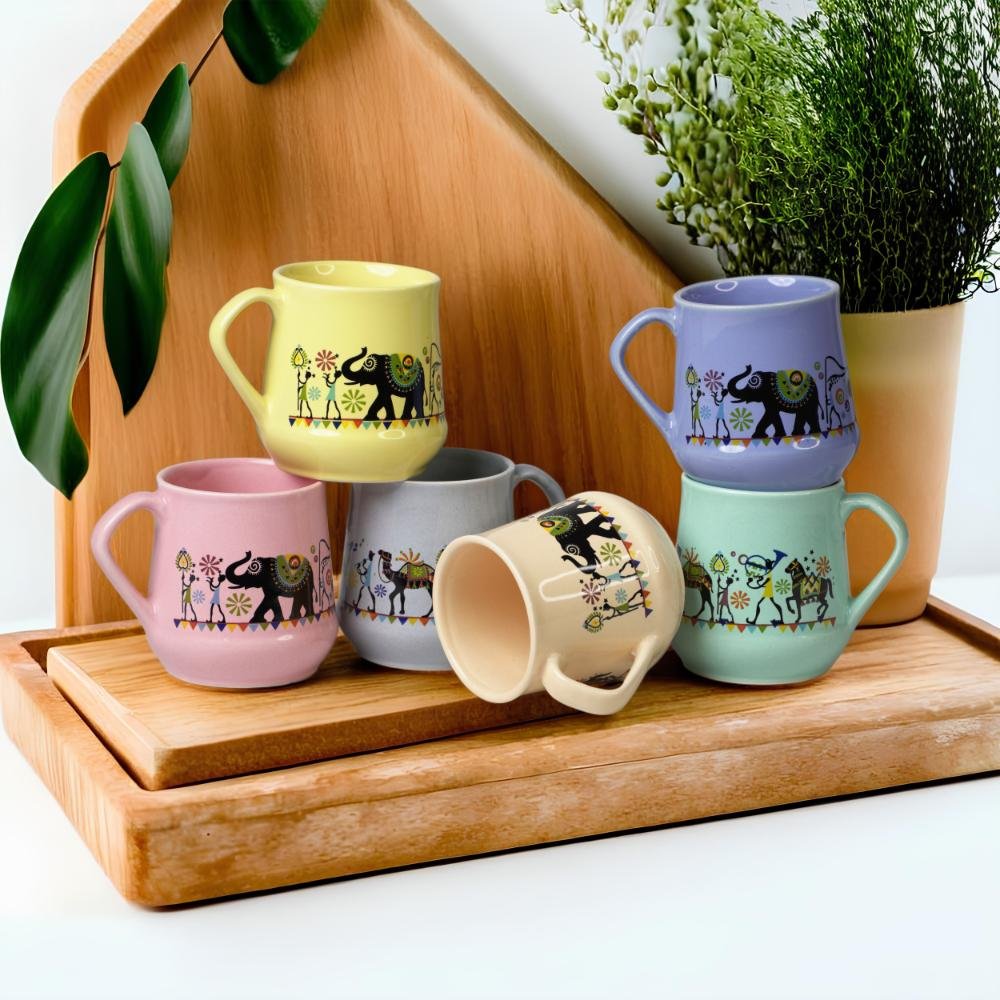
Buyer wants a new shape, capacity or design direction beyond the existing catalogue.
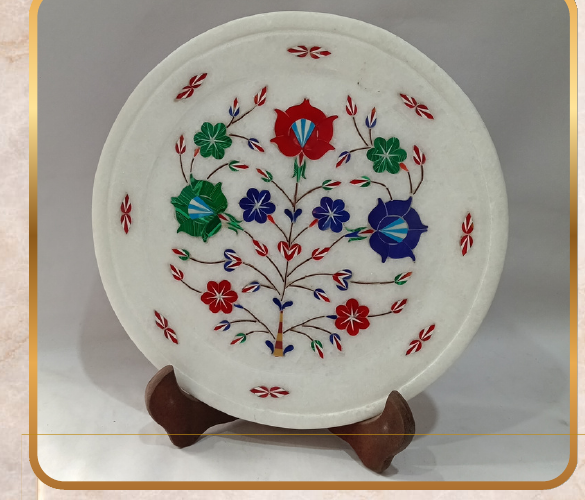
Buyer specifies dimensions, shape and finish for a natural-stone tableware piece.
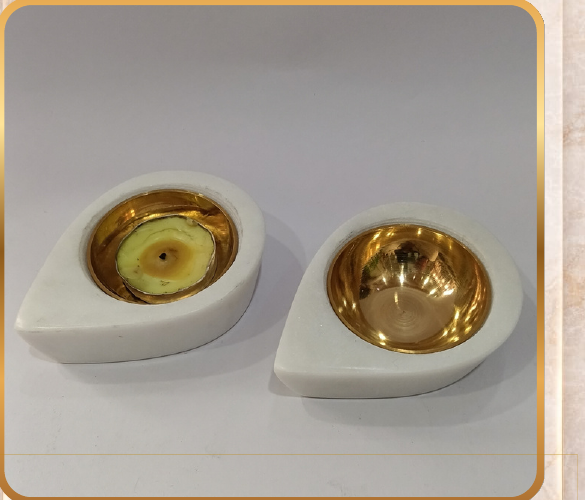
Buyer supplies a drawing or reference photo for a natural-stone décor piece.
Starting the brief
Start with whatever you have — a brief can typically include:
Don't have every specification finalized? Share what you have and we'll review what needs to be defined before development proceeds.
Set expectations early
Determined after reviewing product type, material, production method, customization and packaging.
Not every custom project requires new tooling. Requirements are confirmed only after the design and production method are reviewed.
Depends on feasibility review, tooling if required, sample complexity and the number of approval/revision cycles — confirmed after the final specification and quantity are known.
After sample approval
Relevant checks differ between ceramics and marble — no fixed tolerances are published here, since they depend on the specific product and specification.
Explore quality control →Connected to the final product
A custom product can need packaging different from an existing catalogue SKU — final dimensions, weight, fragility and set configuration all feed into the packaging requirement.
Who develops custom products with us
Develop differentiated branded homeware.
Develop market-specific products or ranges.
Requirement-led tabletop and serving products where appropriate.
Dimension and material-specific natural-stone products where supported.
Frequently asked
Yes — a drawing, photo, reference product or written specification can all start a development brief. Feasibility is reviewed before development begins.
Yes — sample development and approval are part of the standard custom development workflow.
MOQ is determined after reviewing the product type, material, production method, customization and packaging.
Timing depends on feasibility review, tooling if required, sample complexity and the number of approval/revision cycles — confirmed once the final specification and quantity are known.
No — not every custom project requires new tooling. This is confirmed only after the design and production method are reviewed.
Whatever you have — product type, drawing/photo/reference, dimensions, material and finish preference, quantity, branding and packaging requirements, destination and target timing.
Development enquiry
Share your drawing, reference or specification, along with material, dimensions, quantity and target timing — we'll respond with a feasibility review and development plan.
We use essential cookies for site security and form operation, plus browser storage to remember your enquiry list. We do not currently use advertising or analytics cookies. Cookie Policy